
Pavement Preservation
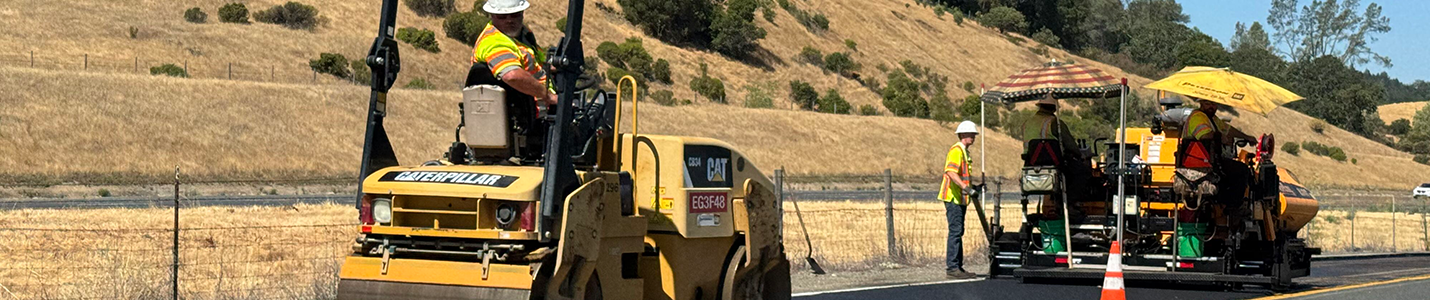
The Sonoma Public Infrastructure Pavement Preservation Program improves the quality of County roads by using cost-effective treatments that extend pavement life. Instead of waiting for roads to deteriorate, we apply preventative treatments to roads still in fair condition.
Benefits include:
- Lower long-term costs
- Improved ride quality
- Less frequent, less disruptive roadwork
- More roads improved with limited funding
Road Selection Process
Each year, we develop a list of roads to be resurfaced. Selection considers:
- Pavement Condition: Roads are scored using a Pavement Condition Index (PCI, 0–100).
- Usage & Functionality: Traffic volume, community connectivity, emergency access, and transit/bike use.
- Design Characteristics: Road width, surface type, and ADA compliance needs.
- Geographic Distribution: Projects are distributed fairly across the County.
Utility companies, please be advised that pavement cuts are prohibited on County roads that have been paved within the previous five calendar years.
Interactive Map: Pavement Cut Moratorium Map
Projects for the current and future years are shown below. Project locations are preliminary and may be subject to change. See list of roads
Click to view the map full screen
 |
Paving, Future | Future Road Paving Projects (subject to change) |
 |
Paving, This Year | Roads being paved this year |
 |
Past Paving | Road Paving Projects completed last year |
Pavement Preservation Treatments
Pavement Condition Index (PCI)
The Pavement Condition Index (PCI) rates road surfaces on a scale of 0 to 100, with higher scores meaning better condition. (PCI does not apply to dirt or gravel roads.)
How PCI is Measured
Professional inspectors examine pavement features like cracks and potholes during on-site inspections. Scores are tracked using the Metropolitan Transportation Commission’s StreetSaver software.
Map of Current PCI
PCI Rating Scale
| PCI Range | Condition | Color |
| 90-100 | Excellent |  |
| 70-89 | Very Good |  |
| 50-69 | Good |  |
| 25-49 | Poor |  |
| 0-24 | Very Poor |  |
Countywide PCI Trends
- Average PCI rose from 44 in 2012 to 49 in 2021.
- Local roads, which make up 64% of the network, score lowest (average PCI 37).
- Major and minor arterials, which carry the most traffic, are in better condition (average PCI 78–80).
- High-use roads receive more funding, keeping them in better shape.
 Translate